EMBR / Optics Engine
OFX · macro look · one node, the whole order
The optics, isolated.
One node runs the whole physical order — front filter through emulsion. Here’s each function on its own, so you can see exactly what it’s doing. Drag to compare.
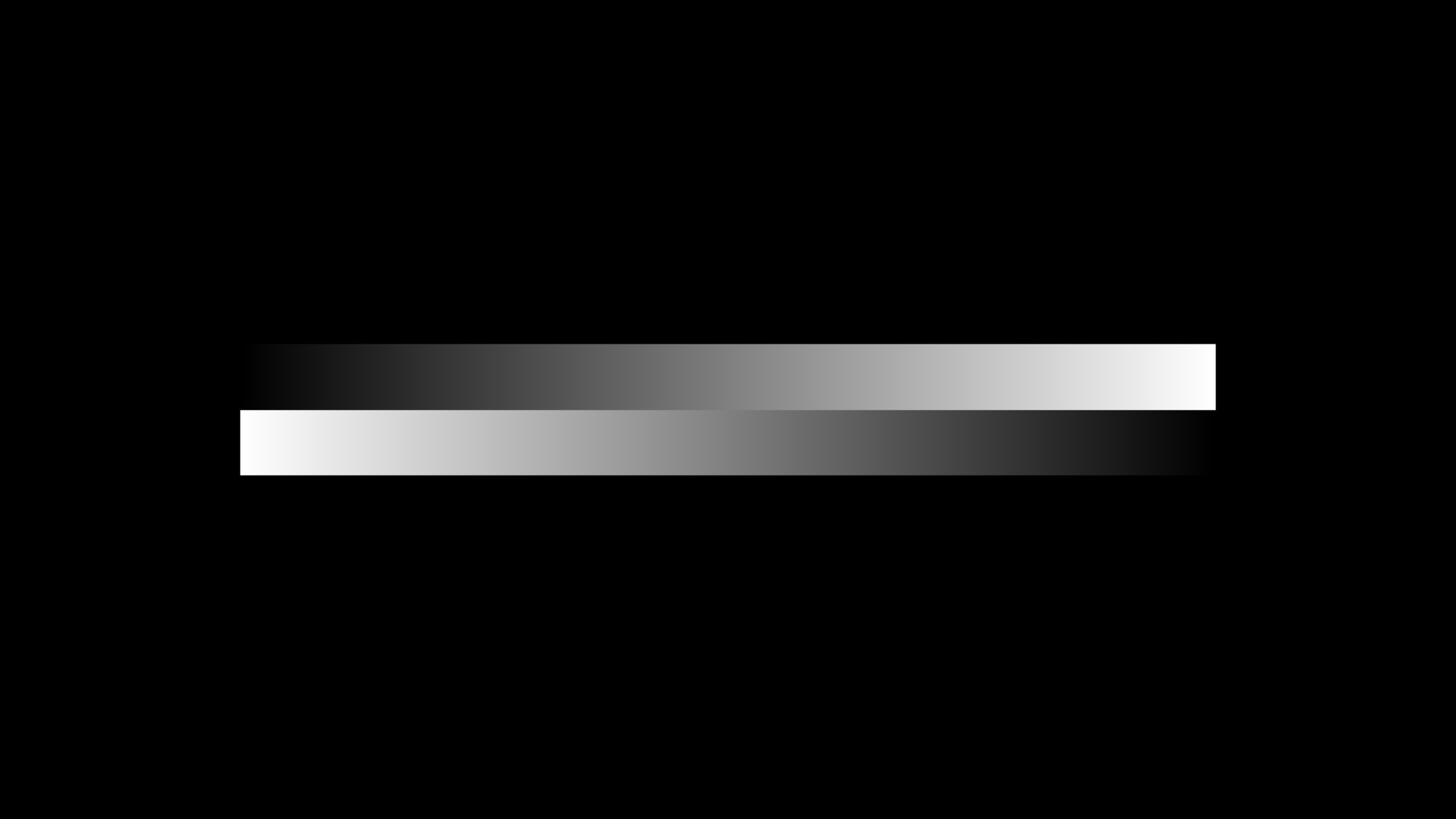
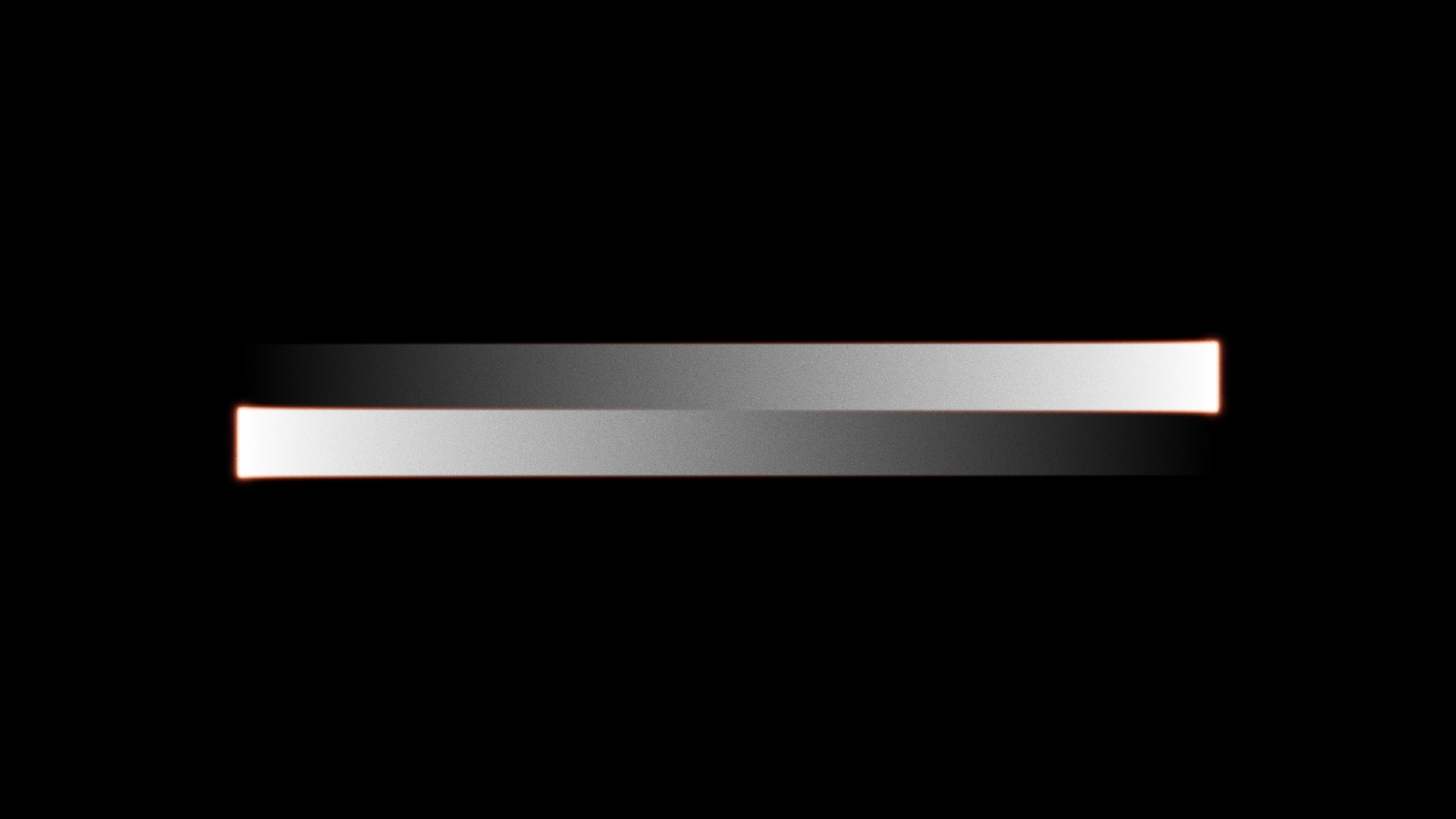
Halation
Light penetrates the emulsion, reflects off the film base, and re-exposes the deepest layer first — red travels furthest, so the halo is red, opening to orange only at the hottest cores. EMBR ignites near clipping and nowhere else: highlights bleed warm, flat areas stay clean. No halo pasted on edges.
Demo coming
Chromatic Aberration
Lens glass bends each wavelength by a different amount, so color separates toward the edge of the frame. EMBR walks a continuous spectrum across that path — a real wavelength ramp, not a red-and-blue channel split. Built native because the honest version isn’t a stock effect.
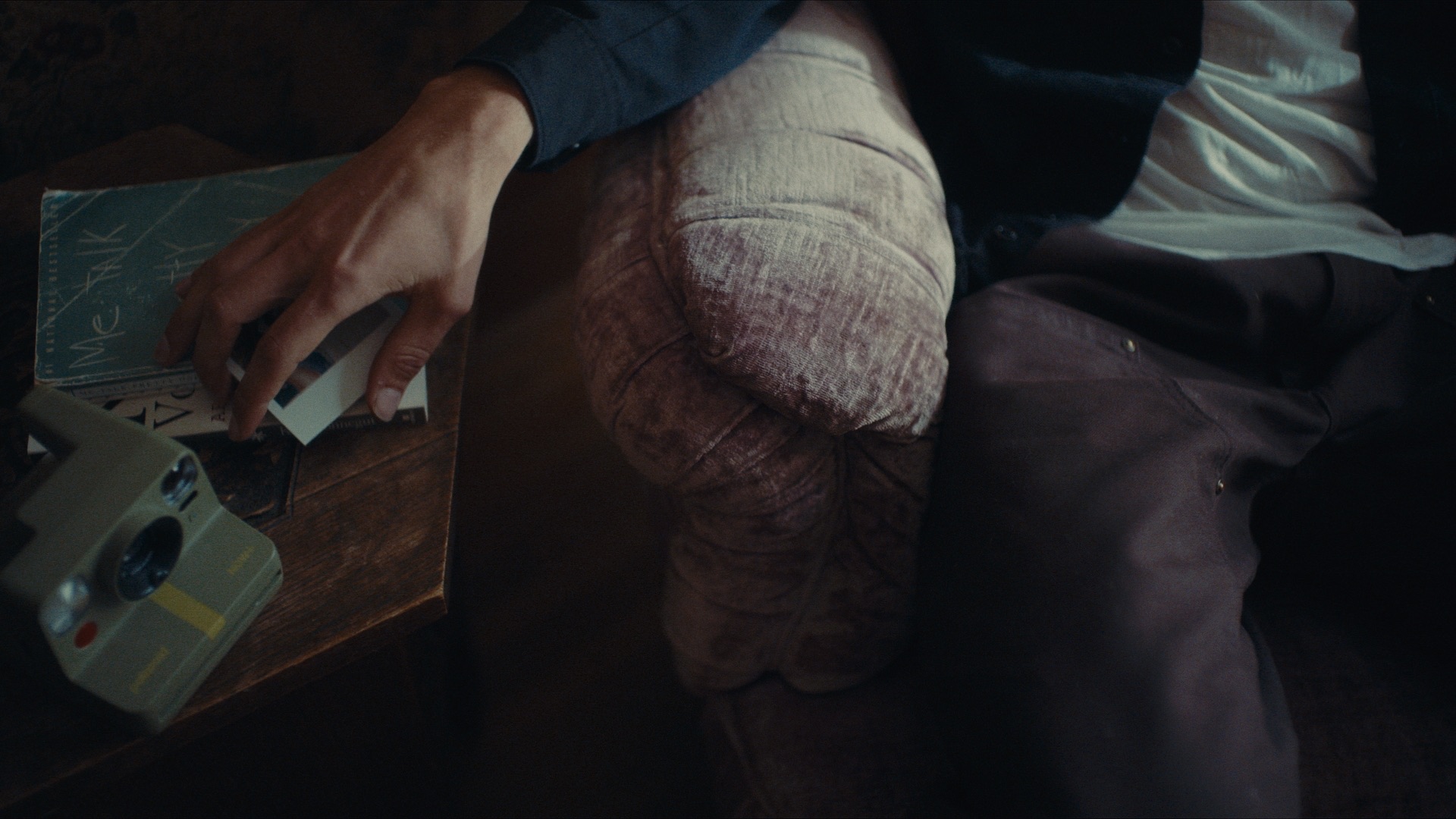
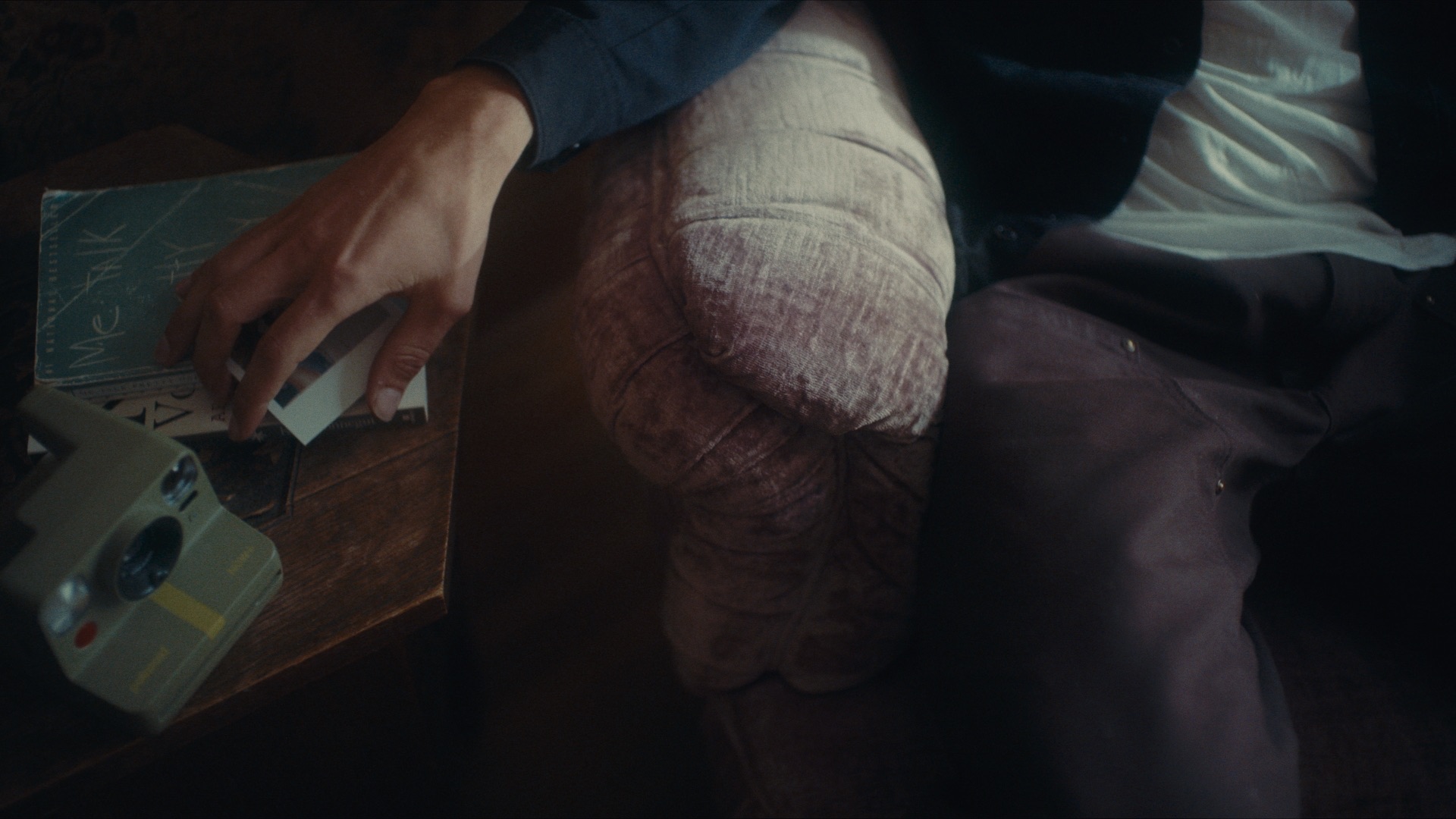 Pro Mist · 100%
DP Christopher Murphy
Pro Mist
A diffusion filter scatters a thin slice of light from the whole frame — every tone, not just the highlights. Most of the image stays sharp; a faint wide veil lifts the blacks without crushing them, the way a Black Pro-Mist behaves. On the lens you’re stuck with the filter you loaded — a 1/4, a 1/2, nothing between. Modeled in post, it’s the exact weight, set per shot.
Demo coming
Grain
Our own grain engine, built on the published science of film grain: granules grown per dye record, composited through the dye laws, riding the density your image already carries. Structured differently in the shadows than in the whites, re-randomized every frame. Size tracks the gauge, 8mm up to 35mm, because grain is a fixed size on the negative and the small formats blow it up.
EMBR Optics · post-launch · not part of the v1 release